
In the current digital environment, cybersecurity has become a priority for all business sectors: from companies with an online presence to startups in development and established corporations. Threats to businesses via cybercriminal activity can have catastrophic impacts including financial depletion, undermining public relations, and disrupting day-to-day functions.
With the increasing frequency and sophistication of cybercriminals’ ability to steal sensitive information, infiltrate company system[s], and assault organizations through phishing scams, ransomware, malware, and data breaches, the demand for solid protections against these threats will increase as organizations continue to utilize technology and cloud services.
Fortunately, many cyberattacks are availed by practicing simple security protocols. Therefore, this article outlines some of the fundamental security recommendations for protecting the reputation of your organization while minimizing the potential for cyber-risk in 2026.
Reasons why cybersecurity is important
Cybersecurity is the act of defending some combination of computers, networks, systems, and data from unauthorized access and assault.
Consequences of a successful cyber-attack can include:
Financial loss
Theft of data
Downtime of the company
Trust issues with customers
Litigation
Damage to reputation
For the majority of small businesses, the effects of a single cyber-attack can be catastrophic, which means that investment in cyber-security has gone from being an option to being a necessity.
1. Use strong passwords
For many businesses, weak passwords are one of the top reasons for being vulnerable to attacks by cyber criminals.
A lot of workers still use easy-to-guess passwords like “123456”, “password”, or “nameofcompany123”.
When creating a strong password, you should ensure the password contains:
An uppercase character
A lowercase character
At least one number
At least one symbol
Here is an example of a bad password: “business123”
Here is an example of a strong password:”B!z2026#Secure$X”
Encourage your workers to create a different password for each account, and please do not share their login information with anyone.
2. Enable multi-factor authentication for all company accounts
Multi-Factor Authentication, otherwise known as MFA, adds another layer of security beyond just something you know (your password).
Once MFA is activated for a user’s account, they will be required to authenticate their identity before logging in through the use of:
A code sent to their phone via text or through an app
An email containing a code
An authenticator key
Even if a hacker has stolen a user’s password, they will still not have access to the user’s account due to the two methods of MFA.
MFA should be considered one of the best defenses against attacks from cyber criminals.
3. Regularly update software If you want to protect yourself from cyber criminals
Many of today’s cyber criminals gain access to computers and network systems by using security holes in out-of-date software.
It is crucial for businesses to keep all of the following software up-to-date on a regular basis:
Operating system (Windows, Mac, etc.), web browsers, antivirus software, cell phone applications, business tools (Office, etc.), and website platforms.
Software updates may include security patches to fix known vulnerabilities identified by software developers.
If you don’t update regularly, you could be leaving your systems open to known cyber criminals.
4. Educate employees about cyber security
The majority of cyber security breaches are caused by human errors that occur when workers make mistakes.
Training should include educating workers about:
Phishing emails, unsafe Internet sites, social engineering attacks, and how to browse safely online.
Employees become more alert to possible threats when they are aware of the cyber risks in their workplace.
5. Back Up your critical data regularly
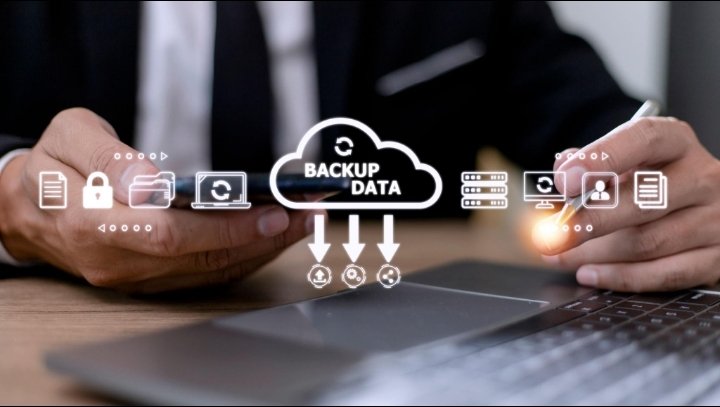
Data backups are necessary to ensure business continuity.
If you experience ransomware, a hardware failure, or accidentally delete something, having a recent backup will allow you to recover critical data.
Best practices include:
Daily backups
Cloud backups
Offline copies of backups
Backup testing on a regular basis
Do not assume your data is safe without a verified backup.
6. Use good antivirus/security software
Security software can help identify and prevent malicious activity before it causes harm.
Antivirus/antimalware solutions today can protect you against:
Malware
Computer viruses
Spyware
Ransomware
Insecure websites
Research the antivirus/security software that you will use and make sure you keep it regularly updated. While it is very important to use antivirus software, it should only be one part of your overall cybersecurity approach and not your only method of protection.
7. Secure your business’s wi-fi network
Many companies fail to secure their wireless networks.
If you do not secure your Wi-Fi network, you could have unauthorized users accessing your company’s resources.
To secure your Wi-Fi network, follow these best practices:
Choose strong passwords.
Change the default username/password on your router to something other than the factory settings.
Use the latest available WPA3 encryption.
Restrict guest access to your network.
Regularly monitor the devices that are connected to your Wi-Fi network.
An excellent Wi-Fi security system is the foundation of your company’s cybersecurity.
8. Safeguard customer data
Customers trust companies to protect their personal and financial information from falling into the wrong hands.
This may be in the form of:
Names
Addresses
Email Addresses
Payment Information
Phone Numbers
Companies need to:
– Encrypt data that’s considered sensitive
– Restrict access to only those who need it for their roles
– Use trusted methods of payment
– Follow legal requirements to protect privacy
By providing secure data protection, businesses can grow their customer base by providing a higher level of trust and reduce their risk of litigation.
9. Allow employees access only to the information they need
Not every employee requires access to all of the systems used in a company.
Following the “principle of least privilege,” meaning employees should have access only to the information they need in order to perform their jobs.
Advantages of restricting access include:
– A reduction in insider threats
– Improved data protection
– Simplified management of security
Access privileges should be regularly reviewed, especially if an employee’s role within a business is changed, or if the employee leaves the business.
10. Beware of phishing
Phishing attempts to trick users into providing sensitive information.
Signs of phishing include:
– An urgency to respond to a message
– Suspicious attachments
– Not being able to identify the sender
– Fake login pages
– Requests for passwords
Employees should verify the authenticity of any message received before responding to it by clicking on a link or providing information.
Phishing remains one of the most common tactics used by cybercriminals.
11. Use secure cloud storage
So many companies are beginning to use cloud technology and storing information in the cloud.
Although there are many benefits to using cloud technology, you still need to secure the information that your company has in the cloud.
When selecting a cloud service provider, you should use a well-known, trusted provider of services and activate the following features on their service:
– Multi-factor authentication
– Data encryption
– Access control
– Backup solution
Securing your company’s information by using a cloud service can help you prevent unauthorized access to your company’s information.
12. Develop a cybersecurity incident response plan
There are no cybersecurity measures (that I know of) that can ensure that a business will not experience a security incident.
Therefore, every business should develop an incident response plan that includes the following:
Incident Reporting Procedure
Data Recovery Procedures
Customer Communication Procedures
Emergency Contact Information
Security Investigation Procedures
Preparing for a security breach will mitigate damage and speed recovery from a security incident.
Current cyber security threats facing businesses in 2026
Businesses are facing various types of cyber security threats, including:
Ransomware
Malware that prevents companies from accessing their data unless they pay a ransom.
Malware
Malicious software designed to damage computers and networks.
Phishing
Fraudulent email messages that attempt to obtain personal information through deception.
Insider Threats
Employees and contractors can create security risks through their access to corporate resources.
Data Breach
Sensitive information is exposed to unauthorised users.
Knowing what types of threats will be placed on businesses is the first step in protecting your business from them.
The future of Business cyber security
As technology continues to evolve, cyber security will continue to be an important factor for all businesses.
Artificial Intelligence is currently assisting business owners and hackers.
More and more businesses are implementing:
AI based security solutions
Behavioral threat detection
Advanced authentication systems
Automated security monitoring
Companies who make cyber security a priority today will have a greater advantage against any future challenges they may face.
Conclusion
In 2026 Cybersecurity will be one of the top three investments any organization will make. Cyber Crime is only going to continue to develop, however, the majority of the attacks we see can be prevented simply by following good practice and having employees who are aware.
Adopting strong passwords, implementing two-factor authentication where applicable, backing-up information frequently, providing training for employees, securing networks, and protecting their clients’ information are a few ways companies can significantly limit their risk.
Cyber Security is not a one-time project; it is an ongoing activity that needs to be continually monitored and improved upon.
Companies that take cyber security as a serious concern will ultimately be able to more effectively protect their data, their customers, and their reputation and long-term success in business in the digital age.