

What is customer relationship management (CRM)?
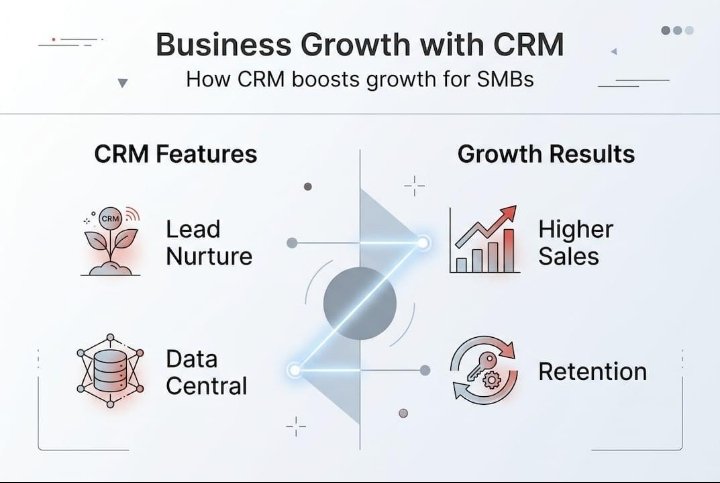
Crm (Customer Relationship Management) is a system that allows organizations to store, track, and manage customer information. crm systems are typically used by organizations to track potential customers (leads), as well as store contact information for existing customers and gain insights into what products and services they are interested in.
It’s important for new companies to choose an appropriate crm system for their needs as it can help them grow their businesses more quickly by providing them with a comprehensive picture of all of their customer interactions.
By selecting the right crm solution, new companies will be able to eliminate their use of spreadsheets and separate notes to manage their new business’ end-to-end sales process all in one place rather than have to manage these sales steps in multiple systems.
Additionally, when implemented properly, a modern crm system can do more than merely track customer contact information; it can also allow users to track their interactions with customers and schedule follow-up calls and/or emails. Additionally, while there are many different features in different crm systems, new companies will find the right crm system to automate a majority of manual sales processes, therefore allowing their company to grow at a faster pace.
New companies typically have limited funds; therefore it is crucial to find a CRM that is inexpensive, can scale and offers the core automation tools necessary for an organization to effectively manage their sales and/or marketing processes. However, thanks to the many top-rated CRM vendors who have provided free and/or entry-level pricing for small businesses, new companies will find affordable, functional CRM solutions available today.
Top crmsoftware for startups
HubSpot’s crm offers a free plan, as well as simple interface and robust sales and marketing features such as:
1. Contact Management
2. Email Tracking
3. Pipeline Management
4. Automation
Salesforce starter suite
Salesforce has a range of options to help startups find the best fit for their business needs. Their offerings include flexible and scalable platforms that are built to help you grow your business. Features include:
1. AI-Powered Insights
2. Customizable Dashboards
3. Integrations
Zoho crm
For businesses looking for affordable pricing while providing a complete suite of crm-related capabilities, Zoho will provide both. Their pricing and functionality include many of the advanced capabilities one would expect, such as:
1. Advanced Automation
2. Lead Management
3. Workflow Customization
4. Artificial Intelligence
Pipedrive
Pipedrive has an excellent user experience designed around visual deal tracking and managing your sales pipeline, which is what most startups are focused on right now as they build their sales teams.
Freshsales
Freshsales combines the traditional crm functionality with lead scoring through artificial intelligence, email tracking, automation, built-in communication, etc. thus creating an excellent choice for small businesses.
Startups should compare these platforms to determine which software solution best fits their growth strategy and operational requirements.
Key features of a crmfor startups
**Contact Management:** Your crm should provide an easy way to store all your customers’ information, including how you have communicated with them and when they became a customer.
**Sales Pipeline Management:** An easy-to-read visual representation of your sales pipeline is essential to managing and understanding your deals and helping your team identify and prioritize opportunities. You should be able to see how far along and what stage each deal is in from generating a lead to closing a deal.
**Marketing Automation:** Most crms today have automation features that enable users to automate repetitive tasks such as sending emails, creating and assigning tasks, nurturing leads, and following up with potential customers automatically.
**AI-Powered Insights:** Many crms now have integrated artificial intelligence that will analyze your customers’ behavior, predict what sales opportunities you have coming, and provide recommendations to help you improve your sales conversion rates.
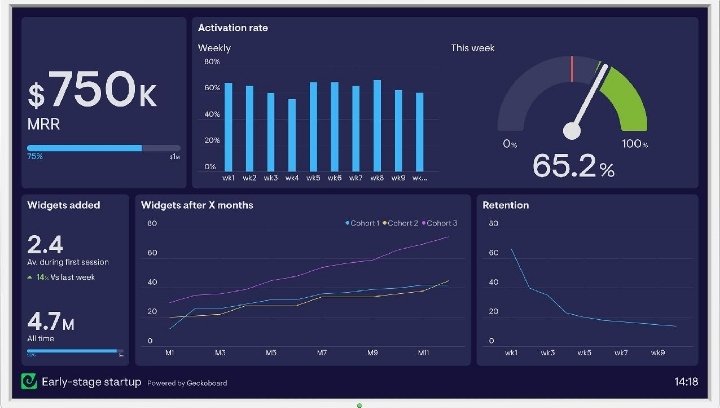
**Reporting and Analytics:** Detailed reports provide you with valuable insights to understand your overall business performance, sales performance, customer engagement, and the effectiveness of your marketing process.
**Third-Party Integrations:** The best crm systems will integrate seamlessly with email, accounting software, project management tools, and communication platforms, increasing your workflow efficiency.
When you pick crm software that includes these features, you will help your startup to scale quickly and easily while maintaining great customer relationships.

1. Define your company objectives
Prior to choosing a crm solution, determine which of the following functions your company requires assistance with: lead generation, customer service, marketing automation, or sales management.
2. Useability assessment
Choose a crm that has an easy to use interface so that employees can learn to use the software more quickly and require minimal training.
3. Scalability assessment
Choose a CRM that will be able to grow along with your business by being able to accommodate additional users, more integrations, automated processes, and advanced reporting capabilities.
4. Pricing comparison
Carefully review subscription plans before making a final decision to ensure that the crm software you choose fits into your overall company budget, while providing you with the functionality that you need.
5. Security assessment
Customers’ data is highly valuable and should be protected. Choose a crm product that offers secure storage in the cloud, encrypted data, user access, and a multi-factor authentication process to keep customers’ data protected.
When a startup takes into consideration the above-mentioned items, it will be able to invest in a crm solution that will help to support its ongoing business growth and enhance the overall satisfaction of its customers.

Conclusion
Investing in the right crm solution is a decision that will make it easier for your startup to get new customers, generate sales, and create lasting relationships with them.
When a startup has chosen the right crm system, it can streamline processes, automate repetitive tasks and provide better insight into the business in order to help you make better decisions.
There are several great options for new startups to choose from when selecting their crm. For example, HubSpot offers a free option; Salesforce has the ability to grow with you as your business grows; Zoho gives you an affordable solution; Pipedrive makes it easy to manage your sales process, and Freshsales includes advanced automation capabilities and AI functionality.
Be sure to compare each crm providers pricing, supported integrations, reporting capabilities, support for users, and scalability of each crm provider before making a final decision on which one you will use.
Choose the crm solution that best meets your company’s current needs and will help you achieve your company’s growth objectives in the future.
The best crm solution for your startup is one that aligns with your company’s long-term vision, will increase your team’s productivity and create an excellent experience for both your customers and your team.
With the right crm system, startups can build stronger relationships with customers, improve their overall sales performance, and create the foundation needed for continuous growth through doing business 2026 and beyond.